
SEO writing is no longer strictly about keywords; it’s about creating impactful, contextually relevant content formatted for the various platforms and mediums through which prospective clients consume information. This SEO guide for therapists unpacks how to shape SEO-friendly content that speaks to real questions and pain points, leverages structural best practices like heading hierarchy and meta descriptions, and builds your practice’s online authority through social media, video, and backlink strategies.
It also highlights the importance of ongoing measurement, using tools like Google Analytics, Search Console, Screaming Frog, and PageSpeed Insights, to monitor performance, refine content, and stay aligned with what your audience and search engines value most.
Table of Contents
- You’re SEO Writing for All Online Formats Now
- Choosing Relevant Topics and Providing Answers to Audience Questions
- Optimizing Your Website Structure with SEO
- Building Domain Authority Using Social Media and Video for Backlinks
- Creating Content Based on Topics and Ideas that Add Value
- Testing, Adjusting, and Optimizing Your Content
Search engine optimization (SEO) often feels like an uphill climb for therapists. I suspect because, like most digital marketing subjects, it’s a broad topic and can become very technical very quickly.
When you optimize your website, social media profiles, Google Business profile, Bing Places profile, videos, or blog articles, your goal should be to communicate your practice’s value to the reader in a way that’s contextually relevant to their search behavior.
You’re SEO Writing for All Online Media Formats Now: Video, Images & Audio
Today, SEO writing is the process of optimizing and creating online content so it ranks in search engines, rich results, and as citations and mentions within AI prompt responses.
According to a May 2026 article on Search Engine Land, Google announced they are adding link opportunities to their AI summaries and AI mode. This is being done in an effort to increase the chances of click-through traffic to publishers’ pages and social media profiles, which was originally decimated during Google’s deployment of AI overviews back in September 2025.
Examples of search engines include Google, Bing, DuckDuckGo, Yahoo, Ask, and other sites that allow you to type a question and receive answers in the form of a description or series of links. Examples of AI search tools include Gemini, ChatGPT, Claude, and Perplexity. Your goal as a therapist is to appear at the top of traditional search results and cited as an authoritative source within AI search results.
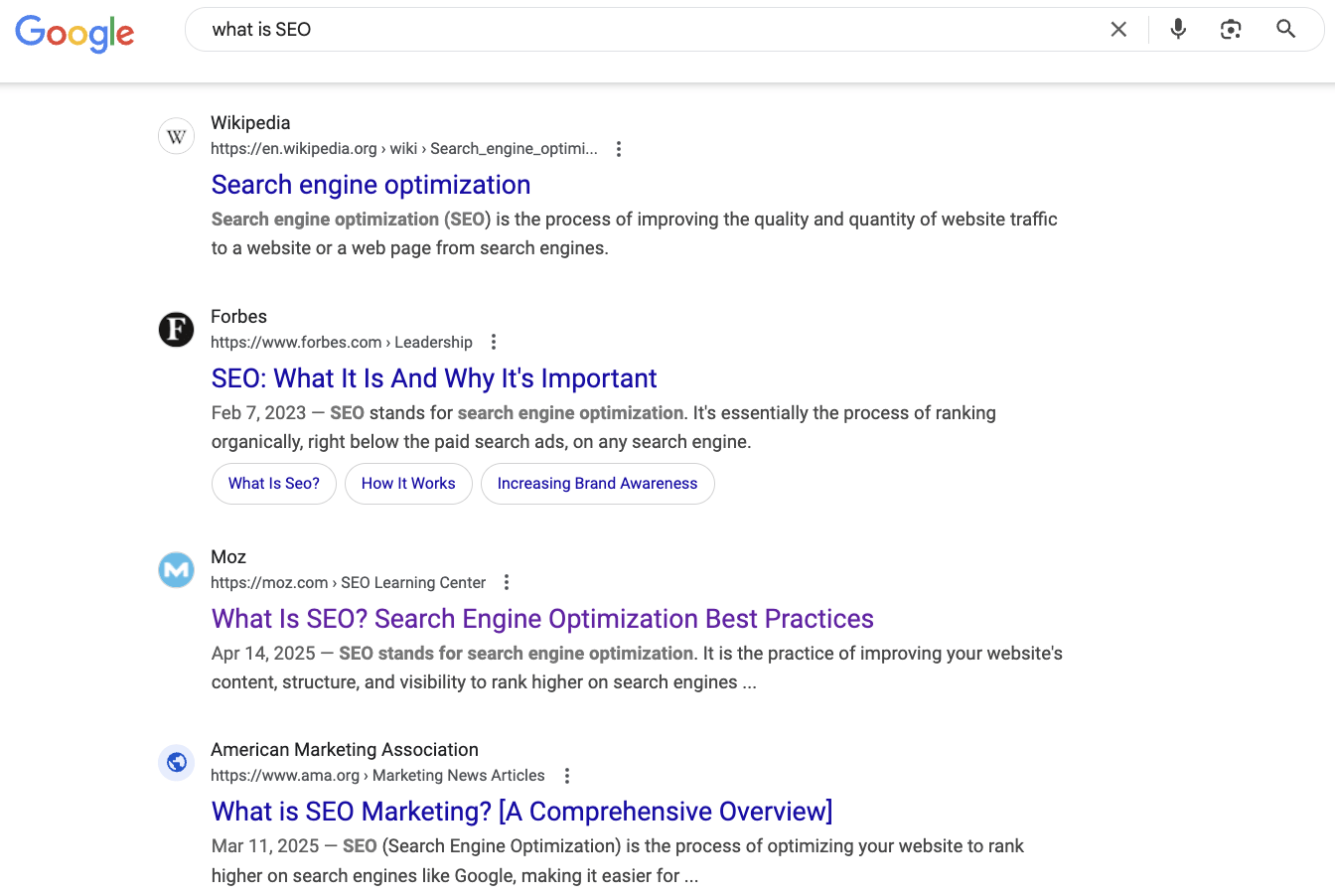
However, long gone are the days of getting to the top of a traditional search results page using 1-2 long-tail keywords embedded into several pages.
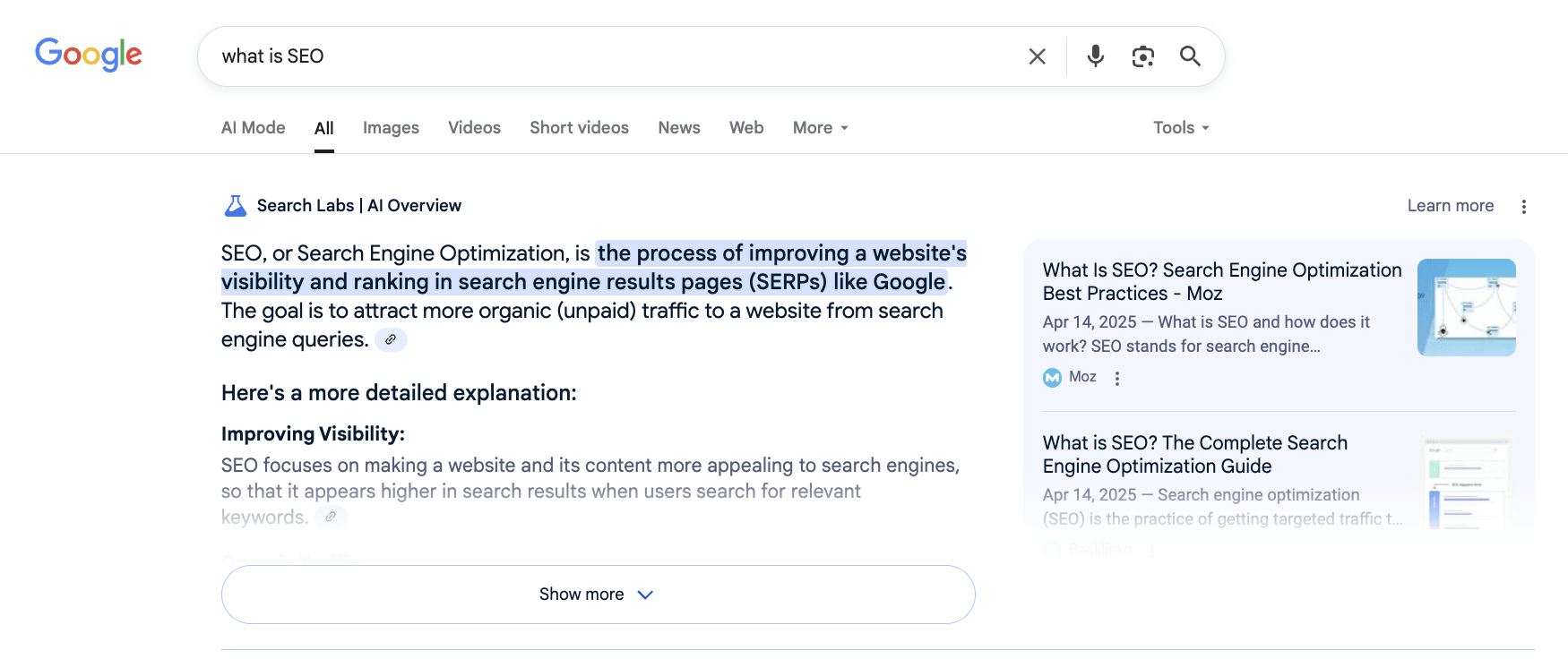
For you, this means creating and optimizing content across platforms that befit the search patterns of your ideal client profile, like publishing YouTube videos, using your LinkedIn profile to showcase your services and case studies, posting on relevant subreddits where commonly asked questions appear, and other online content that Google, ChatGPT or Gemini might prioritize in their results ranking.
Remember that the goal of search engines and AI search prompt results is to deliver the most relevant and timely answer to a person’s question. This is good for us as consumers because it means we receive accurate answers in real time.
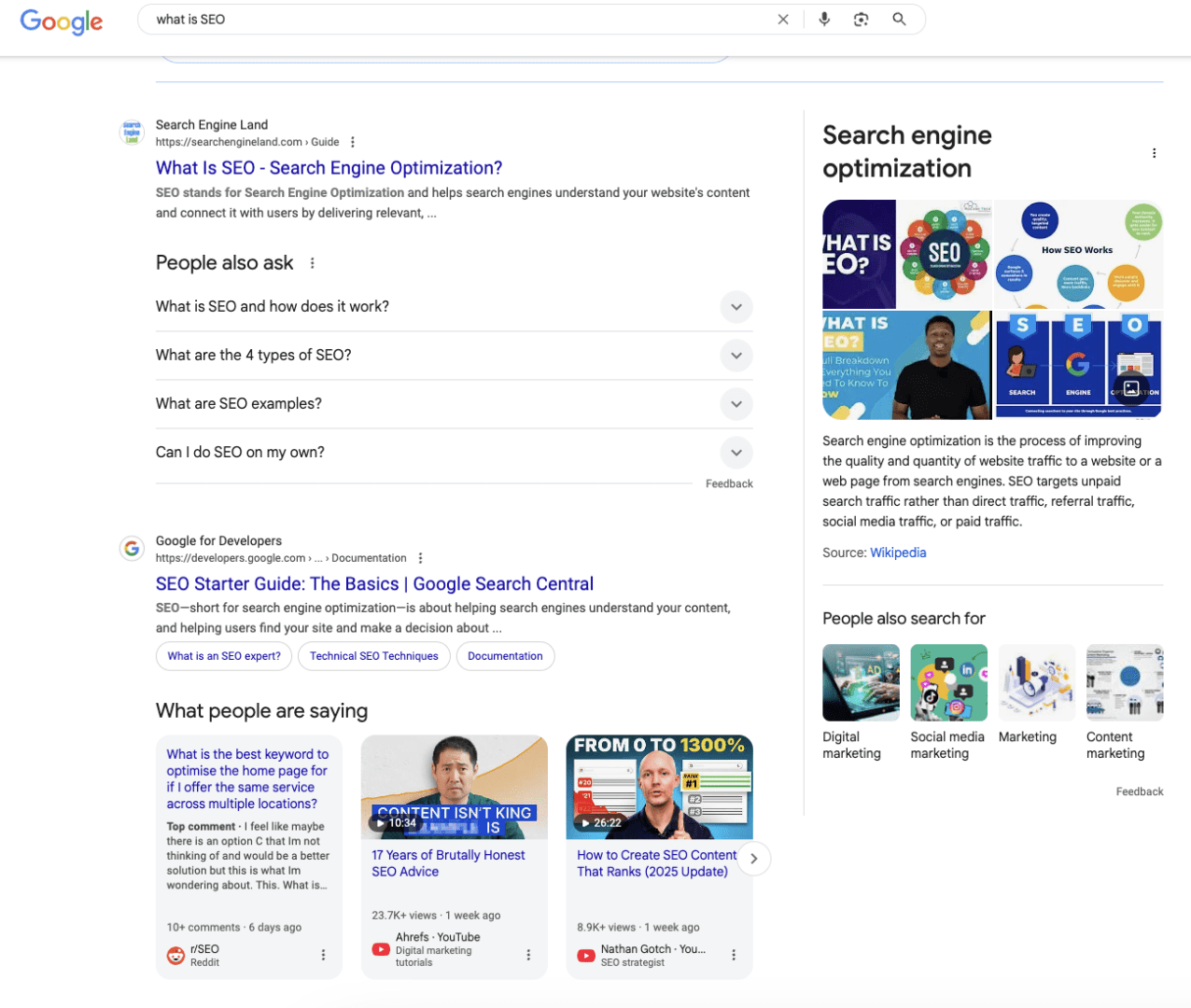
Choosing Relevant Topics: Providing Answers to Your Audience’s Questions
Every successful online marketing strategy begins with an in-depth understanding of how your prospective audience searches for therapeutic services.
The key is tapping into the right topics. Identifying and implementing the right keywords should be part of the preliminary research process (and used in the basic architecture of your content build), but it is not the driving force of SEO writing.
Ideal topics should derive from questions you hear on sales calls, customer account or account representative conversations, customer survey results, subjects you hear during networking events with other professionals in your industry, and common pain points you uncover at conferences or trade shows while speaking to members of your target client base. Topic research should never be conducted solely online.
Taken from our own agency example in building the GrowthSpurt Strategies website, our first step was the creation of a marketing strategy. The core messaging, target markets, and competitor research gave us the information we needed to become granular in our content topics.
This granularity included research into specific pain points from conversations with real people from our client base. This prompted online keyword research into competitor and industry-relevant topics that were commonly entered into Google, ChatGPT, and other sites.
After identifying local keywords for which my competitors ranked and that were common searches (you can use tools like SEMrush, Ahrefs, or Moz for this), we then implemented those high-impact keywords into our meta descriptions, page titles, video titles, video descriptions, and blog content.
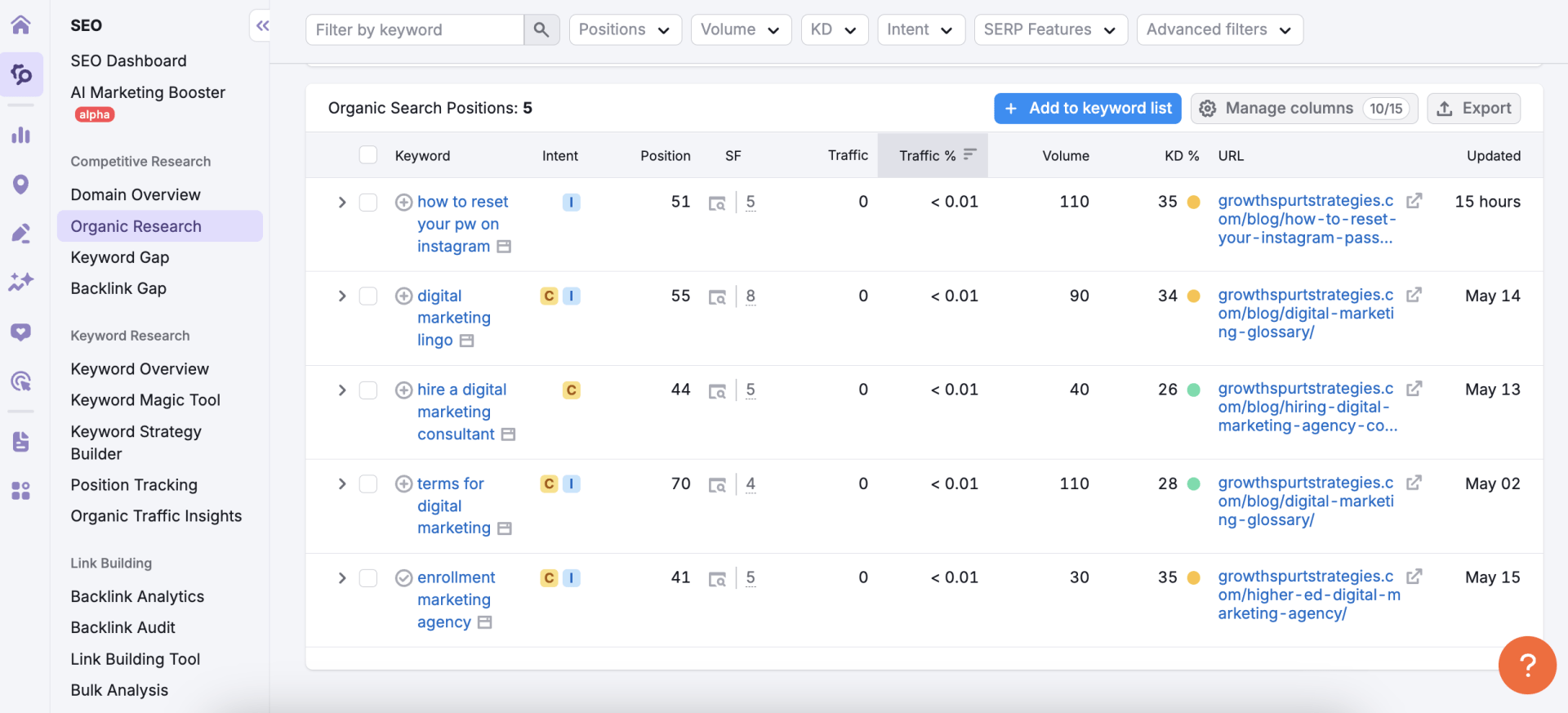
High-impact keywords won’t look the same for every therapist. It means keywords and search terms that are likely to be used among your prospective clients seeking answers online. For us, it was “NJ therapy marketing agency” or “private practice advertising agency.”
These commercial search terms help build the agency’s online reputation (and to inform Google of our location and service offerings, but they are not very informational. That’s where our understanding of our marketing and sales funnel came into play.
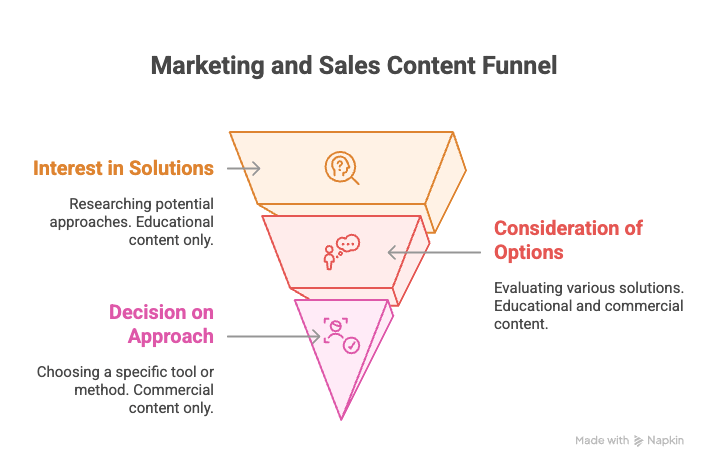
For example, keywords we researched to brainstorm blog post ideas included “effective marketing strategy for therapy practices” and “SEO tips for therapists,” but these were starting points. One needs to delve deeper on a psychological level to generate content that someone engages with. This requires an understanding of your clients’ needs and challenges.
Optimize Your Website Structure: SEO-Friendly Design in Action
Building a repository of SEO-friendly online assets is crucial. It’s not just for search engines and AI search, but for the human experience too.
Your private practice blog needs to rank for both informational and commercial topic-focused keywords and search terms. Each page needs to follow a structured layout necessary for Google, Bing, and AI bots to easily crawl your website.
- Title Tags, H2, and H3 Tags: Each page should be structured with clear, hierarchical headings. For example, your homepage should feature an H1 tag (typically the page title) that emphasizes the primary focus of your practice, while H2 and H3 tags further break down your services, logistics, credentials, and payment options. This structure not only improves readability for visitors but also signals to search engines the importance of your specified content.
- Meta Descriptions: Each page needs to include unique, keyword-rich meta descriptions that succinctly describe the page’s content. These descriptions play a vital role in enticing users to click on the site when it appears within search results.
- Topic & Keyword-Themed Content: Your site should be crafted with a strategic use of thematic and topical keywords that are relevant to both your industry and you ideal client base. From service pages to blog articles, each piece of content needs to be optimized to reflect the common questions and challenges faced by members of the therapy community.
- User Experience (UX): The layout of your website should simple and intuitive. Ensure visitors can easily find information about your services, blog, resources, or contact details. Mobile responsiveness is another key feature, as many users engage with sites from their phones. It’s better to have a very simple and fast website that gets your value across to new visitors than a flashy website with beautiful video loads that don’t clearly show what you do.
- Schema markup: Depending on your website and modality or area of specialization, you may want to use advanced schema markup on your pages to signal to search engines that specific elements of your content should appear in rich results and snippets. If you’re an author, this could mean book reviews appearing in a product snippet, or your Google Business ratings in a review snippet.
Once you implement the technical SEO fixes that enable you to write topical and relevant content to enhance target visitors’ experience, your website will not only attract new visitors, but it will convince them to stay and engage.
The next challenge is generating enough content across multiple media formats to drive traffic to your website (or focused landing pages), to convert visitors into book consults or sessions.
Building Authority: Leveraging Social Media and Video Marketing for Strong Backlinks
Social media platforms like Reddit, Instagram, LinkedIn, and YouTube are invaluable tools for strengthening your website’s SEO backlinks and their Q&A forum format and short form video formats can appear in Google rich results.
They do this by having incredibly strong domain authority and endless new content published daily by active users, which lends itself to high online ranking on traditional search and AI results–which is why it’s beneficial for you to append your website to these social platforms in some way.
Here’s how you can integrate your social media presence with your website to maximize impact:
- Instagram: By sharing visually appealing posts with relevant hashtags and clear calls to action, you can drive traffic back to your therapy practice website. For instance, a carousel post breaking down “5 Grief Exercises for Loss” might include a call-to-action directing viewers to read more on your blog. The goal is to convince someone to take an action back to your website or to your profile.
- LinkedIn: On LinkedIn, you could publish content that showcases your own expertise. Again, each post should include backlinks to your website, boosting authority using LinkedIn’s domain, while engaging with a professional audience.
- YouTube: Video content is a powerful driver of engagement. By hosting tutorials or aggregated and anonymized therapy success stories on YouTube, you can take advantage of the platform’s high domain authority and search functionality. YouTube plays an important role in providing video hosting, so you don’t have to upload videos to your website’s management systems (i.e, Squarespace or Wix), which takes up storage space.
Backlinking from social media platforms doesn’t just drive referral traffic, it also signals to search engines that the website is credible and relevant because other websites point to it. This synergy between social media and the website creates a cohesive ecosystem that supports both visibility and engagement.
The Goal: To Create Content That Adds Context Behind Search Intent
At GrowthSpurt Strategies, we know that most of our organic traffic comes from our blog content. We know this by using data analytics tools like Google Analytics and Google Search Console. For this reason, we focus our content strategy around creating long-form articles that we splinter into shorter and medium forms of content across platforms where our visitors might search for these topics naturally.
Below is an example of how we converted a long-form blog article on the subject of the Instagram algorithm across our social media platforms and sites.
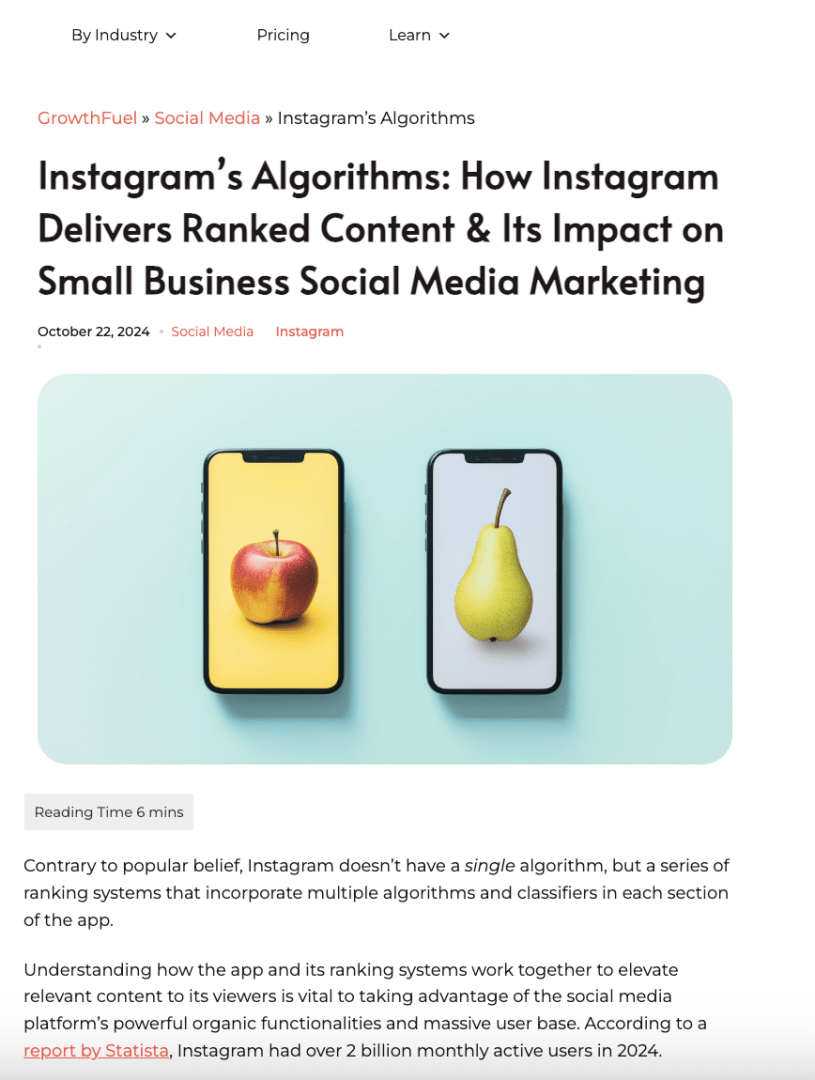
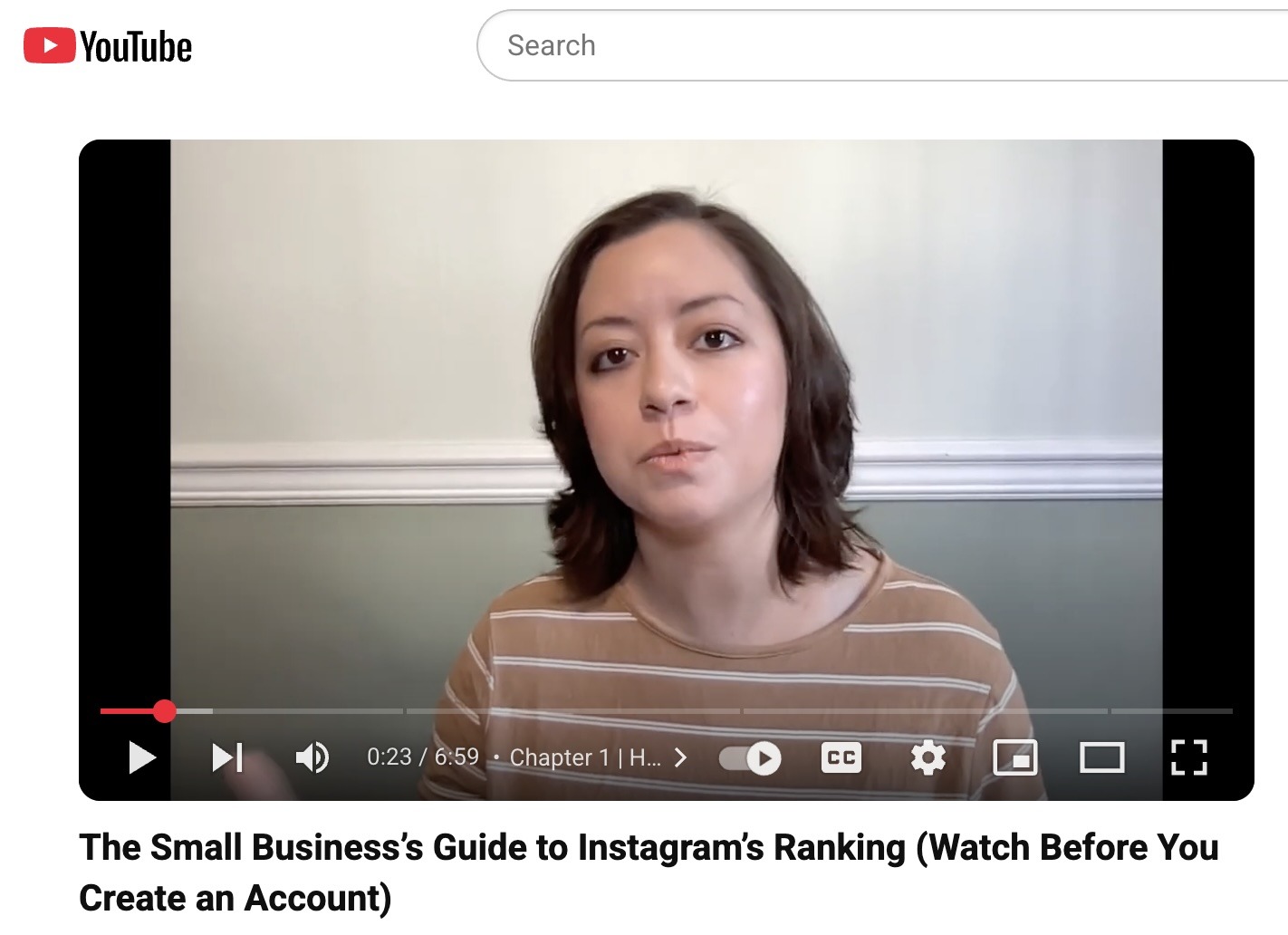

All topics discussed and content created on the GrowthSpurt Strategies blog come from real conversations with prospective clients and actual clients. Our content is meant to help therapists implement digital marketing practices into their everyday work.
When you write or develop content for your practice, ensure that each asset serves to answer an important question or offers a unique perspective or value-add to the reader. The more often you successfully engage people by providing contextually relevant content related to their search behaviors, the more visibility you gain among search engines and AI search crawls by building an audience and positioning your brand as a trusted source.
Interested in therapy website design? We offer a deep dive into marketing a counseling niche using your website and a breakdown of the therapy sales funnel.
Monitor, Test, and Adjust: SEO Writing is An Ongoing Process
For some, this may come as a surprise, but SEO isn’t something you “set and forget.” Regular site monitoring and adjustments are crucial to maintaining and improving overall traffic and acquisition results.
Use free tools like Screaming Frog SEO Spider Tool and Page Speed Insights to track new errors and technical fixes that keep your website healthy. Tools like Google Analytics and Google Search Console tell you how many people arrive at your site, from which sources, and using which search terms.
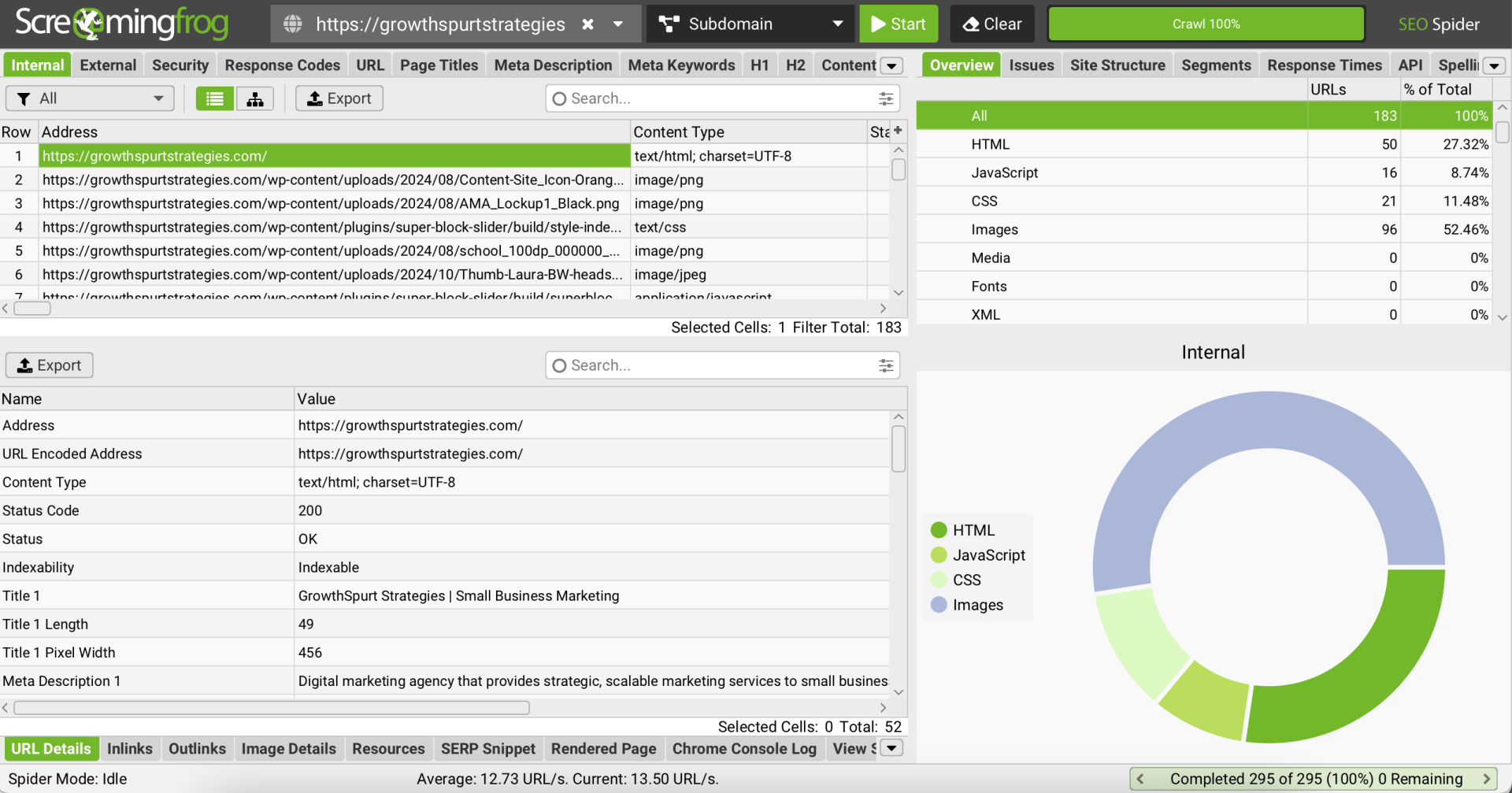
We track metrics such as bounce rate, session duration, and page conversions (using HubSpot forms) in Google Analytics to assess what’s working and where there’s room for improvement.
If we notice that a particular blog post is driving significant volume to organic site traffic, or for which we’re ranking on Google’s first page but not seeing impressions, we will optimize it further. We do this by updating the content with fresh insights or creating additional contextual content in the format ranking at the top of the page (i.e., YouTube, LinkedIn post, etc.).
This iterative approach ensures that the website continues to meet the evolving needs of its search audience and increases the likelihood of being picked up by AI mode.
Continuous SEO Writing = Healthy Online Presence
Content and SEO writing are powerful tools for amplifying reach and building meaningful connections with prospective clients online. Whether you’re optimizing your website’s technical backend or creating valuable prospect-facing content, the primary goals should remain the same: always communicate your value to the reader.